
Temeke DC calls for joint action against counterfeit goods
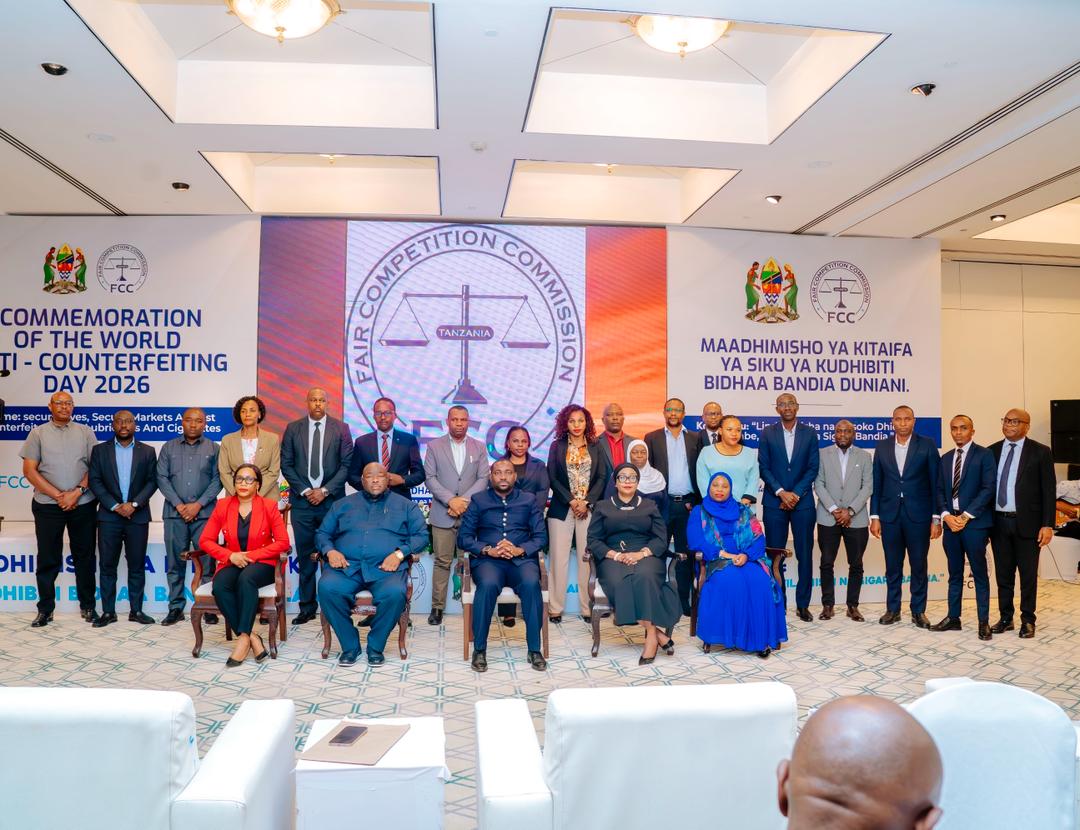
Briefly Analysis
The call to action by Temeke District Commissioner Sixtus Mapunda regarding the proliferation of counterfeit goods highlights a critical intersection between public health, consumer protection, and intellectual property law in Tanzania. By emphasizing the need for a multi-stakeholder approach involving the government, the private sector, and the citizenry, the District Commissioner is signaling a shift toward more aggressive local enforcement against the trade of illicit alcohol, cigarettes, and lubricants. This initiative is grounded in the broader legal framework of the Merchandise Marks Act and the Tanzania Bureau of Standards (TBS) regulations, which are designed to protect the integrity of the market and ensure that products meet safety and quality benchmarks.
From a legal perspective, the significance of this development lies in the economic and regulatory implications for legitimate businesses that suffer from unfair competition and revenue loss due to counterfeiters. When counterfeit goods flood the market, they not only undermine the tax base but also expose manufacturers to potential liability and brand dilution. Legal professionals representing companies in the fast-moving consumer goods sector should view this as an opportunity to strengthen their clients' intellectual property enforcement strategies. By aligning with local administrative efforts, businesses can leverage the District Commissioner’s focus to report infringements and advocate for more robust seizures and prosecutions of illicit traders.
For attorneys and corporate compliance officers, the takeaway is to prioritize proactive intellectual property protection and regulatory engagement. It is advisable to conduct regular market audits and maintain close communication with regulatory bodies like the TBS and the Fair Competition Commission (FCC) to ensure that enforcement actions are coordinated and effective. Furthermore, businesses should ensure their supply chains are transparent and that they are actively participating in public-private dialogues to combat illicit trade. Monitoring the Temeke district’s enforcement outcomes will provide valuable insights into how local administrative authorities intend to utilize their powers to curb counterfeit activities, which may serve as a blueprint for similar actions in other urban centers across the country.