
TFRA issues strong warning to traders who sell fertilizer outside the subsidy system
Abstract
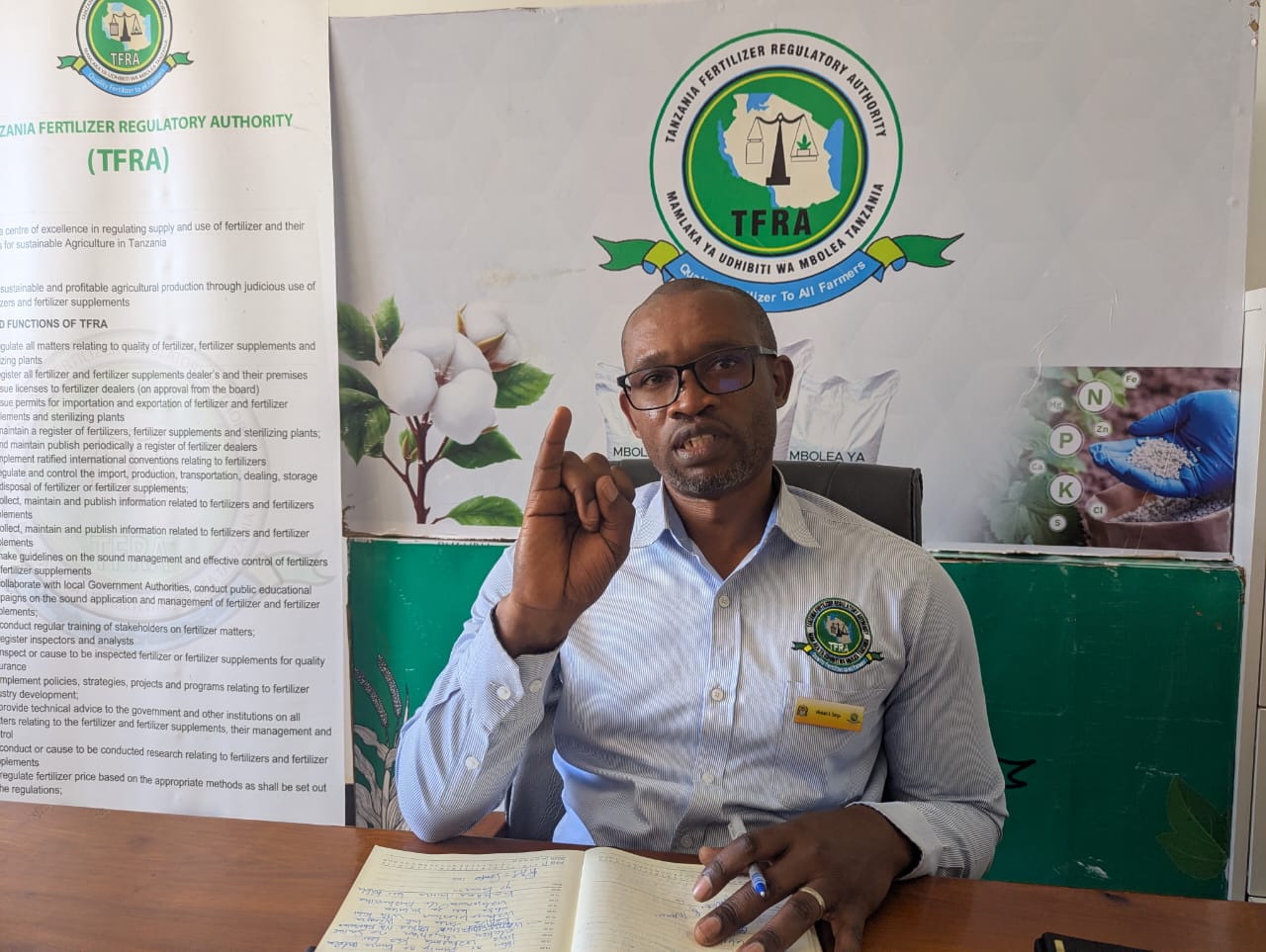
The Tanzania Fertilizer Regulatory Authority (TFRA) has issued a stern warning to traders found operating outside the government's digital fertilizer subsidy system, engaging in price gouging, or otherwise undermining the input subsidy program. This directive, issued on July 9, 2026, underscores the government's commitment to ensuring that farmers access subsidized fertilizers at indicative prices through transparent and accountable channels. Non-compliance carries significant legal repercussions, including substantial fines and potential imprisonment, reflecting TFRA's expanded enforcement powers under the Fertilizers Act, No. 9 of 2009, and its subsidiary regulations. The warning highlights the ongoing efforts to combat illicit trade practices that jeopardize agricultural productivity and national food security.
Introduction
The Tanzania Fertilizer Regulatory Authority (TFRA) recently delivered a forceful warning to fertilizer traders across the nation, signaling a heightened resolve to enforce compliance within the government's critical input subsidy program. Issued on July 9, 2026, the warning specifically targets traders who sell fertilizer outside the established digital subsidy system, inflate prices beyond government-mandated indicative rates, or engage in any activities that sabotage the program's objectives. This development is not merely a routine regulatory announcement but a clear indication of the Tanzanian government's unwavering commitment to agricultural sector reforms, particularly in ensuring the affordability and accessibility of essential farm inputs for its predominantly smallholder farming community.
This article delves into the legal framework underpinning TFRA's authority, the mechanics of Tanzania's digital fertilizer subsidy system, and the severe penalties awaiting non-compliant traders. For legal practitioners, understanding these regulatory shifts and enforcement priorities is crucial for advising clients involved in the agricultural supply chain. The TFRA's stance reflects a broader national strategy to enhance food security, boost agricultural productivity, and eliminate exploitative practices that undermine farmer welfare and economic stability.
Background
The Tanzania Fertilizer Regulatory Authority (TFRA) was established under Section 3 of the Fertilizers Act, No. 9 of 2009 (Cap. 378 R.E. 2023), as the principal body mandated to regulate the manufacturing, importation, exportation, sale, and utilization of agricultural fertilizers and supplements in Tanzania. Its functions include registering fertilizer dealers and their premises, issuing import and export permits, maintaining a comprehensive register of fertilizers, and crucially, setting indicative fertilizer prices.
In a significant move to enhance transparency and efficiency, the Tanzanian government launched a digital input-subsidy system in July 2022, known as the Digital Fertilizer Subsidy Distribution System (DFSDS) or e-Kilimo platform. This system, developed in partnership with entities like BizyTech and CRDB, aims to streamline the distribution process, accurately identify and verify subsidy recipients, and improve the traceability of fertilizers from importers to farmers. The digital platform allows for real-time monitoring of sales and distribution, ensuring that subsidized fertilizers reach farmers at the government's indicative prices, which are designed to account for transportation costs and vary by region.
Analysis
TFRA's recent warning is firmly rooted in its statutory powers under the Fertilizers Act, No. 9 of 2009, and its subsidiary regulations, including the Fertilizers Regulations of 2011 (as amended in 2017) and the Fertilizers (Compounding of Offences) Regulations, 2026. The Act explicitly prohibits the sale or distribution of adulterated or substandard fertilizer and mandates that all dealers and premises be registered. The TFRA's authority to set indicative prices, which act as price caps, is a critical component of the subsidy program, designed to prevent profiteering and ensure affordability for smallholder farmers.
Non-compliance with these regulations carries severe penalties. The Fertilizers (Compounding of Offences) Regulations, 2026, specify fines for various infractions. For instance, selling fertilizer above the ceiling price can result in fines of TZS 10,000,000 for manufacturers and importers, TZS 5,000,000 for dealers in export, handling, wholesaling, storage, and distribution, and TZS 500,000 for retailers. Furthermore, failure to adhere to indicative prices can lead to a prison sentence of at least three years or a fine of at least TZS 10,000,000 upon conviction, as stipulated by amendments to the regulations. The recent arrest of a trader selling Urea and YaraVera Amidas fertilizers above guide prices and outside the digital system exemplifies TFRA's readiness to take legal action, including filing charges for smuggling.
While the digital subsidy system, built on the e-Kilimo platform, has significantly improved transparency and traceability, it also introduces new compliance requirements for traders. Traders must ensure their sales are recorded through this system to validate the subsidy chain and prevent diversion of subsidized inputs. The system tracks each farmer's purchases, enhancing accountability. The challenges of implementing such a comprehensive digital system include ensuring widespread adoption among agro-dealers, addressing potential technical glitches, and continuously monitoring for attempts to circumvent the system, such as selling unregistered products or diverting subsidized stock to the open market at higher prices.
The TFRA's proactive enforcement aligns with the government's broader agricultural policy aimed at boosting productivity and ensuring food security. By curbing illicit trade and price manipulation, the Authority seeks to restore trust in the fertilizer market and ensure that the substantial government investment in subsidies directly benefits farmers. This regulatory environment necessitates meticulous record-keeping, adherence to licensing requirements, and strict compliance with pricing directives from all stakeholders in the fertilizer supply chain.
Conclusion
The recent warning from the Tanzania Fertilizer Regulatory Authority serves as a critical reminder to all stakeholders in the fertilizer supply chain of the stringent regulatory environment governing the sector. Practitioners must advise their clients, including importers, manufacturers, wholesalers, and retailers, on the imperative of strict adherence to the Fertilizers Act, No. 9 of 2009, and its associated regulations. This includes operating exclusively within the digital subsidy system, respecting indicative pricing, and maintaining meticulous records to ensure full traceability and accountability.
Failure to comply carries substantial financial penalties and the risk of imprisonment, with TFRA demonstrating a clear intent to prosecute offenders. The government's continued investment in the digital subsidy program underscores its commitment to agricultural development and food security. Legal professionals should therefore emphasize proactive compliance strategies, regular internal audits, and continuous monitoring of TFRA directives to mitigate legal risks and ensure their clients contribute positively to Tanzania's agricultural growth agenda. The evolving digital landscape of fertilizer distribution demands vigilance and adaptability from all market participants.
Citations
- 1.Fertilizers Act, No. 9 of 2009 (Cap. 378 R.E. 2023)
- 2.The Fertilizers Regulations, 2011
- 3.The Fertilizers (Amendments) Regulations, 2017
- 4.The Fertilizers (Compounding of Offences) Regulations, 2026
- 5.Daily News Tanzania, “TFRA issues strong warning to traders who sell fertilizer outside the subsidy system,” July 9, 2026.
- 6.New Markets Lab, “A Review of National Fertilizer Regulatory Authorities in Tanzania,” (undated, but references 2009 Act and 2013 policy).
- 7.Mitra Eco Exports LLP, “Importing Natural Fertilizers to Tanzania & East Africa - Mitra Eco Exports LLP,” (undated).
- 8.TFRA - Tanzania Fertilizer Regulatory Authority, “Fertilizer Register Book,” (undated, but references 2009 Act and 2011/2017 Regulations).
- 9.The Citizen Tanzania, “Government sets indicative prices for fertiliser to curb profiteering,” March 24, 2022.
- 10.TanzaniaInvest, “Tanzania Reintroduces Prices Regulation on Fertilizers,” March 25, 2022.
- 11.allAfrica.com, “Tanzania: Big Relief to Farmers After Fertiliser Prices Come Down 40 pc,” August 22, 2017.
- 12.allAfrica.com, “Tanzania Amends Law to Curb Fake Fertilizers,” October 15, 2012.
- 13.Bizy Tech, “Ruzuku - Digital Fertilizer Subsidy Distribution,” (undated, but mentions launch July 2022).
- 14.TanzaniaInvest, “Tanzania Launches Electronic System to Improve Fertilizer Distribution,” December 26, 2024.
- 15.Semantic Scholar, “Evaluating the Efficiency and Reliability of Fertilizer Subsidy Systems: The Role of Blockchain in Driving Enhancements in Tanzania,” January 31, 2025.
- 16.MDPI, “State of Agricultural E-Government Services to Farmers in Tanzania: Toward the Participatory Design of a Farmers Digital Information System (FDIS),” March 15, 2024.
- 17.Kilimo Kwanza, “Government Subsidized Fertilizer in Tanzania,” December 12, 2024.
- 18.EIDM, “An Assessment of National Fertilizer Policies, Regulations and Standards for Tanzania,” March 7, 2016.
How does this affect your business?
Get an AI analysis of this article grounded in your jurisdictions, practice areas, and any policy documents you've uploaded to Wansom.