
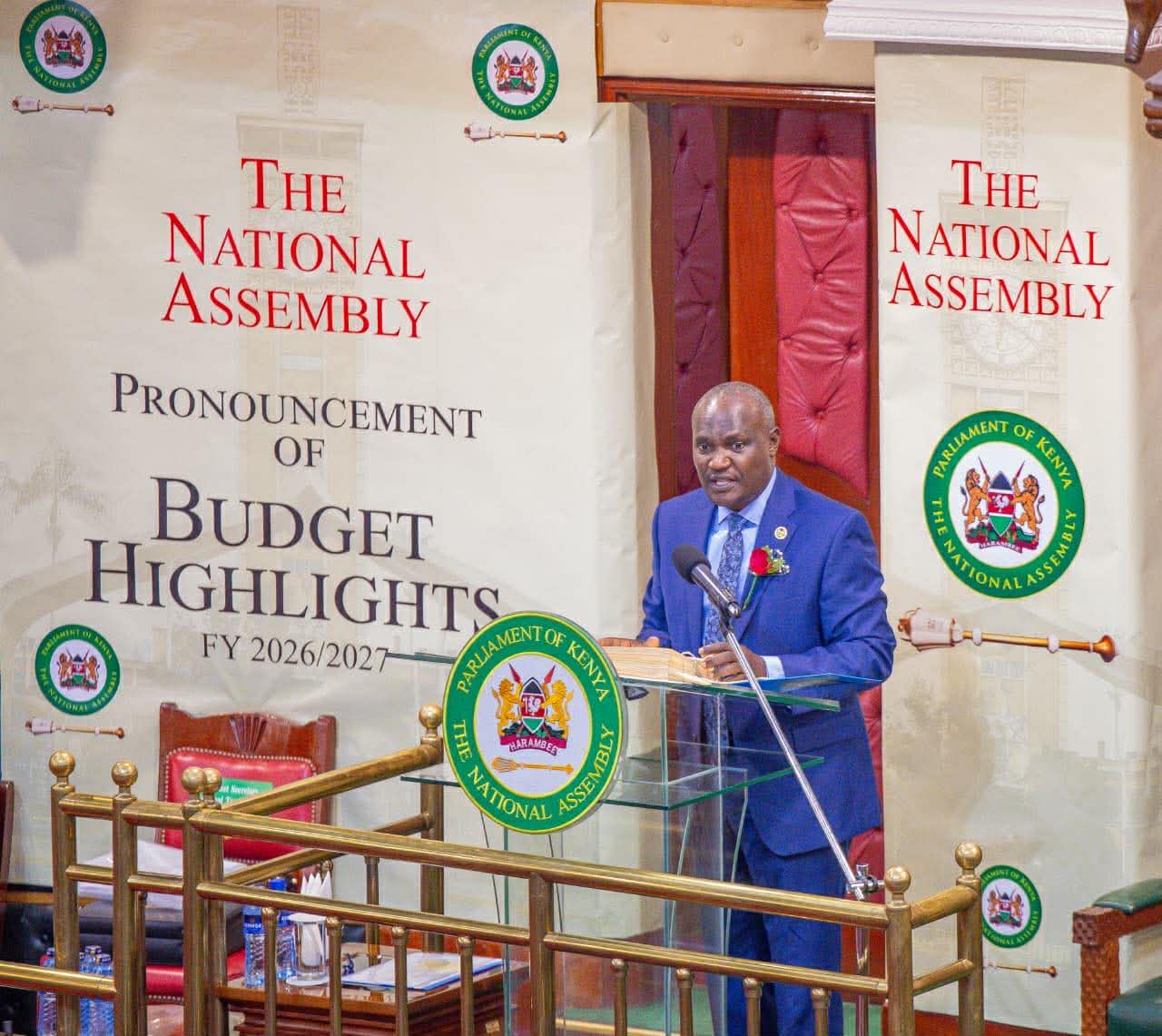
Treasury allocates Ksh.45B to Sports in 2026/7 budget
Abstract
The Kenyan National Treasury has allocated Ksh.45 billion in the 2026/27 budget towards sports infrastructure and tourism development, primarily to facilitate the country's co-hosting of the 2027 Africa Cup of Nations (AFCON) alongside Uganda and Tanzania. This significant public investment underscores the government's commitment to the continental showpiece but also brings to the fore critical legal considerations. These include adherence to stringent public finance management and procurement laws, ensuring transparency and accountability in project execution, navigating potential land acquisition challenges, and complying with environmental regulations. The allocation highlights the complex interplay between national development goals, international sporting commitments, and the robust legal frameworks governing public expenditure in Kenya.
Introduction
Kenya's National Treasury has earmarked a substantial Ksh.45 billion in the 2026/27 financial year budget, a strategic allocation aimed at bolstering sports infrastructure and tourism development. This significant investment is primarily driven by the country's commitment to co-host the prestigious 2027 Africa Cup of Nations (AFCON) with Uganda and Tanzania. The move signals a concerted effort by the government to ensure Kenya is adequately prepared for Africa’s biggest football spectacle, addressing long-standing infrastructure deficits and leveraging the tournament for broader economic benefits.
This allocation, while promising for sports development and economic growth, places a sharp focus on the intricate legal and regulatory landscape governing public expenditure in Kenya. For legal professionals, the disbursement and utilization of such a colossal sum necessitate a thorough understanding of the Public Finance Management Act, 2012, public procurement laws, land acquisition procedures, and environmental compliance. The success of these projects hinges not only on financial commitment but also on rigorous adherence to legal frameworks designed to ensure transparency, accountability, and efficient resource deployment.
This article will delve into the key legal and regulatory considerations that will shape the implementation of these ambitious projects. It will examine the statutory obligations, potential legal pitfalls, and the role of various oversight bodies, providing practitioners with insights into the legal challenges and opportunities inherent in this major national undertaking.
Background
The legal framework governing public finance in Kenya is primarily anchored in the Constitution of Kenya, 2010, and operationalized by the Public Finance Management Act, 2012 (PFMA). The PFMA establishes the National Treasury as the central authority responsible for managing government finances, including budget preparation, revenue collection, expenditure control, and ensuring fiscal responsibility. Parliament plays a crucial oversight role in approving the national budget and monitoring its implementation.
Complementing the PFMA is the Public Procurement and Asset Disposal Act, 2015 (PPADA), which provides the legal procedures for efficient public procurement and asset disposal by public entities. The PPADA aims to give effect to Article 227 of the Constitution, mandating procurement systems that are fair, equitable, transparent, competitive, and cost-effective. Furthermore, the Sports Act, 2013, serves as the cornerstone of sports governance in Kenya, providing for the establishment of sports institutions, facilities, and the administration and management of sports. The National Sports Fund, established under Section 12 of the Sports Act, 2013, and further regulated by the Public Finance Management (Sports, Arts and Social Development Fund) Regulations, 2018, is mandated to provide financial support for sportspersons and organizations.
Kenya's bid to co-host AFCON 2027, under the 'East Africa Pamoja' initiative, necessitates significant upgrades to existing sports facilities and the construction of new ones. This involves complex legal processes, including potential compulsory land acquisition under the Land Act, 2012, and adherence to environmental safeguards stipulated in the Environmental Management and Co-ordination Act (EMCA), 1999. The National Construction Authority Act, 2011, also plays a vital role in regulating the construction industry, ensuring quality and safety standards for all projects. These intertwined legal frameworks form the bedrock against which the Ksh.45 billion allocation will be managed and accounted for.
Analysis
The allocation of Ksh.45 billion for sports infrastructure and tourism development presents a multifaceted legal challenge, particularly in the areas of public procurement, project management, and accountability. The Public Procurement and Asset Disposal Act, 2015 (PPADA), is central to ensuring that the procurement of goods, works, and services for these projects is conducted transparently and competitively. However, recent reports have highlighted concerns regarding irregular procurement practices and questionable financial decisions within Sports Kenya, the state corporation responsible for managing major sports facilities, leading to court petitions and investigations by the Ethics and Anti-Corruption Commission (EACC). These issues underscore the critical need for strict adherence to the PPADA's provisions, including open tendering, thorough evaluation, and robust contract management, to prevent corruption and ensure value for taxpayer money.
Furthermore, large-scale infrastructure projects often necessitate land acquisition, which is governed by Part VIII of the Land Act, 2012. This Act permits compulsory acquisition of private land for public purposes, provided there is prompt payment of just compensation. Legal practitioners will need to advise on the intricate procedures for compulsory acquisition, including public participation requirements and the right to challenge acquisitions in the Environment and Land Court if due process is not followed or compensation is deemed inadequate. Delays in land acquisition and compensation have historically plagued public projects in Kenya, posing a significant risk to the timely completion of AFCON-related infrastructure.
Environmental compliance, under the Environmental Management and Co-ordination Act (EMCA), 1999, is another critical area. All major infrastructure projects are required to undergo Environmental Impact Assessments (EIAs) to identify and mitigate potential adverse environmental effects. The National Environment Management Authority (NEMA) is the principal body charged with implementing environmental policies and ensuring compliance. Failure to conduct proper EIAs or adhere to environmental standards can lead to project delays, legal challenges, and significant reputational damage. The National Construction Authority Act, 2011, also mandates the registration of contractors and projects, ensuring adherence to quality and safety standards in construction, which is vital for stadium upgrades and new builds.
Finally, the oversight role of the Office of the Auditor-General, established under Article 229 of the Constitution and further expounded by the Public Audit Act, 2015, is paramount. The Auditor-General is mandated to audit and report on the use of public resources, confirming whether public money has been applied lawfully and effectively. The reports are submitted to Parliament, which then takes appropriate action. Given past concerns about the recurrence of audit queries due to a lack of follow-up, robust mechanisms for implementing audit recommendations will be crucial to ensure accountability for the Ksh.45 billion allocation. Recent reports from CAF also indicate that Kenya, along with its co-hosts, is behind schedule on infrastructure commitments, raising concerns about meeting the January 2027 readiness deadline.
Conclusion
The Ksh.45 billion allocation for sports infrastructure and tourism development in Kenya's 2026/27 budget represents a significant national undertaking with profound legal implications. For legal practitioners, this presents a dynamic landscape requiring expertise across various domains, including public finance, procurement, land law, environmental law, and construction law. Advising clients involved in these projects will necessitate a deep understanding of the Public Finance Management Act, 2012, the Public Procurement and Asset Disposal Act, 2015, the Land Act, 2012, the Environmental Management and Co-ordination Act, 1999, and the National Construction Authority Act, 2011.
Practitioners must be vigilant in ensuring compliance, mitigating risks associated with procurement irregularities, land disputes, and environmental non-compliance, which could lead to costly delays and legal challenges. The ongoing scrutiny by the Office of the Auditor-General and the EACC, coupled with public and parliamentary oversight, demands the highest standards of transparency and accountability. What to watch for in the coming months includes the detailed procurement plans, progress on infrastructure development, any further legal challenges to project implementation, and the effectiveness of oversight bodies in ensuring proper utilization of funds. The success of Kenya's AFCON 2027 co-hosting bid, and the legacy of this substantial investment, will ultimately be determined by the integrity and efficiency of its legal and administrative execution.
Citations
- 1.Constitution of Kenya, 2010
- 2.Environmental Management and Co-ordination Act, 1999 (Cap. 387)
- 3.Land Act, 2012 (No. 6 of 2012)
- 4.National Construction Authority Act, 2011 (No. 41 of 2011)
- 5.Public Audit Act, 2015 (No. 34 of 2015)
- 6.Public Finance Management Act, 2012 (No. 18 of 2012)
- 7.Public Finance Management (Sports, Arts and Social Development Fund) Regulations, 2018
- 8.Public Procurement and Asset Disposal Act, 2015 (No. 33 of 2015)
- 9.Sports Act, 2013 (No. 25 of 2013)
- 10."Bidding" system changes ahead - the new Public Procurement and Disposal Act, 2015 | Article | Chambers and Partners.
- 11.AFCON 2027 faces uncertainty as host nations fall behind on infrastructure.
- 12.AFCON 2027: Kenya Faces Exit Over Unpaid $30m Fee - YouTube.
- 13.A Critical Look at the Environmental Management and Co-ordination Act (EMCA), 1999.
- 14.Compulsory Acquisition and Zoning Laws in Kenya - The Realtors Platform.
- 15.Corruption Scandal And Court Petition Threaten Kenya's AFCON 2027 Preparations.
- 16.Environmental Act (EMCA) - National Environment Management Authority (NEMA).
- 17.FAQ'S – Office of the Auditor-General.
- 18.From the Field to the Courtroom: Kenya's Sports Law in Chambers Global Practice Guides 2026 - TripleOKLaw LLP.
- 19.Govt dismisses claims of poor infrastructure ahead of 2027 AFCON - People Daily.
- 20.Kenya Auditor General details efforts to unravel public entity fraud - JURIST - News.
- 21.Kenya Environmental Management and Coordination Bill 2022: rights of nature & environmental defenders - Eco Jurisprudence Monitor.
- 22.Kenya's Budget Making Process Explained | PDF - Scribd.
- 23.legislative framework for the national and county budget processes in kenya.1 - University of Nairobi, Women's Economic Empowerment Hub.
- 24.Mbadi announces Planning Bill 2026 to tighten national budget framework - The Star.
- 25.NATIONAL CONSTRUCTION AUTHORITY ACT - eProcedures Kenya.
- 26.National Construction Authority: A complete guide to building and construction in Nairobi.
- 27.National Sports Fund | SnoLegal.
- 28.Office of Auditor-General Kenya: Public Audit & Accountability Guide - Huduma Global.
- 29.Overview of Kenya's PPADA 2015 | PDF | Procurement | Governance - Scribd.
- 30.Overview of Kenya's Public Procurement and Asset Disposal Act 2015 - Academia.edu.
- 31.Overview of the EMCA 1999 Framework | PDF - Scribd.
- 32.PUBLIC LAND ACQUISITION - SDGs Kenya Forum.
- 33.Report On Implementation Status Of The Sports Act, 2013 - Parliament of Kenya.
- 34.Rights Violations in Isiolo International Airport Land Expropriation - Kenya Land Alliance.
- 35.Sports (Amendment) Bill, 2018 - Nairobi - Parliament of Kenya.
- 36.Sports, Arts and Social Development Fund.
- 37.STRENGTHENING PUBLIC AUDIT ACCOUNTABILITY IN KENYA.
- 38.The Kenyan Public Finance Management Act 2012 FAQ (Frequently Asked Questions) For Citizens - International Budget Partnership.
- 39.The Public Finance Management Act, 2012 | ConstitutionNet.
- 40.The Public FInance Management Act - Parliament of Kenya.
- 41.The Public Procurement and Asset Disposal Act, 2015.
- 42.The Public Procurement and Asset Disposal Act, 2015 | PolicyVault.Africa.
- 43.The Sports (amendment) Bill, 2026 - Nairobi - Parliament of Kenya.
- 44.The Sports Act, 2013 | PolicyVault.Africa.
- 45.Treasury Function in Kenya's State Budget - Prezi.
- 46.Treasury allocates Ksh.45B to Sports in 2026/7 budget.
- 47.Why Kenya's 2013 Sports Act must die and be reborn - Standard Newspaper.
How does this affect your business?
Get an AI analysis of this article grounded in your jurisdictions, practice areas, and any policy documents you've uploaded to Wansom.