
Waiguru boosts NYOTA youth grants, waives permits
Abstract
Kirinyaga Governor Anne Waiguru's recent pledge to provide an additional KSh.10,000 to each National Youth Opportunities Towards Advancement (NYOTA) programme beneficiary from Kirinyaga County, coupled with a waiver of county business permit fees for these youth, represents a significant development in Kenya's devolved governance. This initiative, which complements a national youth empowerment program, highlights the growing role of county governments in supplementing national initiatives and exercising fiscal and regulatory autonomy. The move raises pertinent legal questions regarding the scope of a governor's executive powers in financial allocations and fee waivers, particularly in the context of inter-governmental relations and adherence to county finance legislation. It sets a precedent for enhanced county-level support for national programs, while also underscoring the importance of transparent and legally sound implementation of such measures.
Introduction
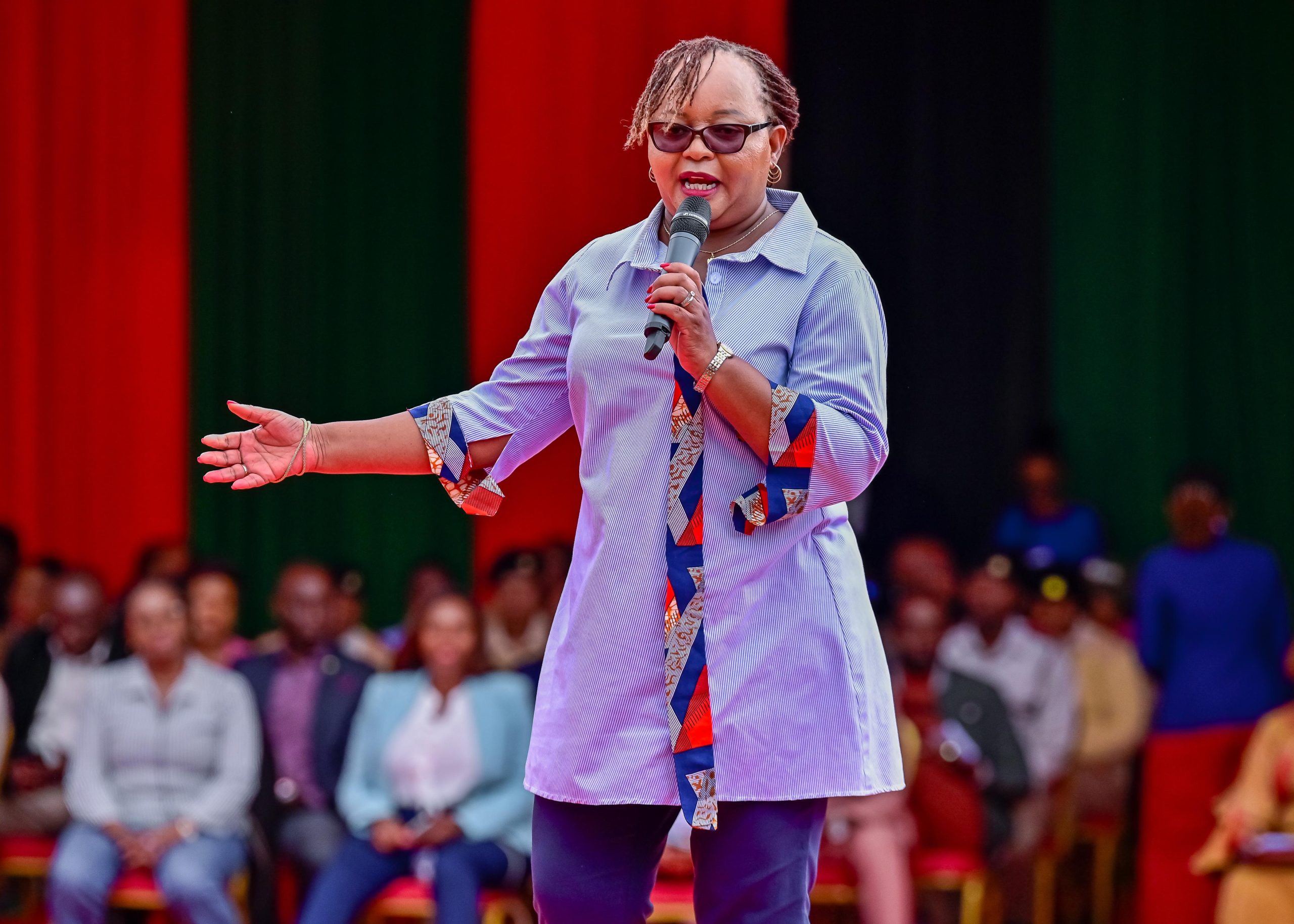
Kirinyaga County Governor Anne Waiguru recently announced a dual initiative aimed at bolstering youth entrepreneurship: an additional KSh.10,000 grant to every NYOTA programme beneficiary from her county and a complete waiver of county business permit fees for these young entrepreneurs. This move positions Kirinyaga as one of the pioneering counties to significantly enhance a national government youth empowerment initiative with its own resources, drawing attention to the evolving dynamics of devolution in Kenya.
The Governor's actions are designed to provide a crucial head start for young entrepreneurs by easing their financial burden and regulatory hurdles, thereby fostering a more conducive environment for business growth. This article will delve into the legal framework underpinning these actions, examining the powers of county governments to allocate funds to national programs and to waive local fees, as well as the broader implications for inter-governmental fiscal relations and county legislative processes in Kenya.
Background
Kenya's governance framework, established by the Constitution of Kenya 2010, is characterized by a devolved system comprising a national government and 47 county governments. This system aims to bring services closer to the people, promote equity, and enhance accountability through the decentralization of power, resources, and responsibilities. County governments are mandated to provide various services and have the authority to generate their own revenue, in addition to receiving equitable shares and conditional or unconditional allocations from the national government.
The National Youth Opportunities Towards Advancement (NYOTA) project is a flagship national youth empowerment program, a scale-up of previous initiatives like the Kenya Youth Employment Opportunities Program (KYEOP). Supported by the World Bank, NYOTA targets vulnerable youth aged 18-29 (up to 35 for persons with disabilities) across all 47 counties, aiming to increase employment, earnings, and promote savings through various interventions, including business capital support. The legal and financial management of county governments are primarily governed by the County Governments Act, 2012, and the Public Finance Management Act, 2012 (PFMA), which outline the procedures for budgeting, revenue collection, and expenditure, emphasizing public participation and accountability.
Analysis
Governor Waiguru's initiative involves two distinct legal aspects: the provision of additional grants and the waiver of business permit fees. Regarding the additional KSh.10,000 grants, county governments, under the devolved system, have the power to allocate funds for functions assigned to them by the Constitution or an Act of Parliament. While NYOTA is a national program, county governments can complement national initiatives, especially where such initiatives align with county development priorities and are duly budgeted for. The Kirinyaga County Government has reportedly allocated KSh. 60 million to complement the NYOTA initiative, specifically to support young applicants not absorbed into the national program, and has proposed amendments to convert its County Empowerment and Development Fund into a grant-based facility, subject to County Assembly approval. This suggests that the additional grants are intended to be disbursed through a county-level mechanism, requiring proper budgetary allocation and approval by the County Assembly in line with the PFMA, 2012, and the County Governments Act, 2012.
The waiver of county business permit fees presents another layer of legal scrutiny. County governments derive their power to impose and waive fees from county legislation, such as the Kirinyaga County Finance Act, 2015, and its subsequent amendments. The Kirinyaga County Finance Act, 2015, explicitly states that the County Executive Committee member for finance *may* waive a county tax, fee, or charge in accordance with prescribed regulations. Crucially, such a waiver must be publicly recorded with reasons by the County Treasury and must be authorized by an Act of Parliament or county legislation. This implies that a gubernatorial directive to waive fees, while executive in nature, must either be based on existing county legislation empowering such a waiver or necessitate legislative action by the County Assembly to formalize it. Governor Waiguru has previously exercised powers to waive fees, for instance, during the COVID-19 pandemic, demonstrating a precedent for such executive actions, albeit often in response to extraordinary circumstances.
Furthermore, the President has directed the Intergovernmental Budget and Economic Council (IBEC) to work with county governments to implement a two-year business permit waiver for all NYOTA beneficiaries nationally. This national directive provides a broader policy context and encourages counties to align their local regulations. However, the implementation at the county level still requires adherence to the specific county finance laws and procedures, ensuring that waivers are legally sound and do not undermine county revenue streams without proper legislative backing and compensatory measures. The interplay between national directives and county legislative autonomy is a key aspect of cooperative governance under devolution, requiring careful navigation to ensure both policy coherence and legal compliance.
Conclusion
Governor Waiguru's initiative in Kirinyaga County exemplifies a proactive approach by a county government to augment national youth empowerment efforts, demonstrating the potential for synergistic inter-governmental collaboration. For legal practitioners, these developments highlight several critical considerations. Firstly, advising clients on county-level grants requires a thorough understanding of the specific county's budgetary processes, including the County Integrated Development Plan (CIDP) and annual finance acts, to ascertain the legality and sustainability of such allocations.
Secondly, the waiver of business permit fees, while beneficial for entrepreneurs, necessitates careful examination of the relevant County Finance Act and any subsidiary legislation or executive orders that authorize such waivers. Practitioners should verify that such waivers comply with the legal requirements for transparency and legislative approval to avoid future legal challenges or liabilities. The national directive for a two-year waiver for NYOTA beneficiaries suggests a broader shift, and legal professionals should monitor how other counties implement this, watching for harmonized approaches or potential inconsistencies. Ultimately, these actions underscore the dynamic nature of devolution in Kenya, where county governments are increasingly asserting their fiscal and regulatory powers, creating both opportunities and complexities for legal compliance and strategic planning.
Citations
- 1.Constitution of Kenya, 2010
- 2.County Governments Act, 2012
- 3.Public Finance Management Act, 2012
- 4.Kirinyaga County Finance Act, 2015
- 5.Kirinyaga County Finance Act, 2023
- 6.Public Financial Management Act (The Youth Enterprise Development Fund) Regulations, 2006, Legal Notice No. 167/2006
- 7.Youth Enterprise Development Fund Legal Order No. 63 of 2007
How does this affect your business?
Get an AI analysis of this article grounded in your jurisdictions, practice areas, and any policy documents you've uploaded to Wansom.