
When the lessor comes knocking: Termination of perpetual leases and due process
Abstract
The security of leasehold title for institutions and establishments in Delhi is under strain due to increasing eviction notices and re-entry orders, even for properties with perpetual leases of nearly a century's standing. This raises significant legal questions about the circumstances and process by which the government can terminate a perpetual lease and resume possession of demised premises. The article examines the legal framework governing perpetual leases in Delhi, focusing on the high threshold required to invoke a 'public purpose' clause for termination.
Introduction
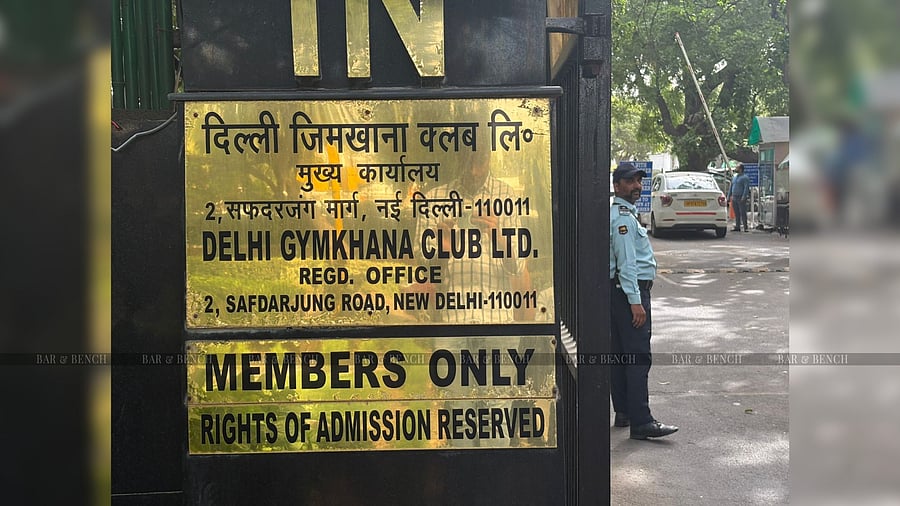
The concept of perpetual leases has long provided institutions and establishments in Delhi with a rare form of security: land held without a terminal date, subject only to the covenants of the deed itself. However, this security is increasingly under threat due to a pattern of eviction notices and re-entry orders directed at historic institutions, residential colonies, sporting establishments, and cultural centres holding perpetual or long-term leasehold tenures. The recent notice concerning the Delhi Gymkhana Club has brought attention to this issue, highlighting the need for clarity on the circumstances and process by which the government can terminate a perpetual lease and resume possession of demised premises.
Background
Perpetual leases are administered by the Land and Development Office under the Ministry of Housing and Urban Affairs in Delhi. These leases encompass over 60,000 properties across the capital, including housing societies, hospitals, hotels, and institutions. The security offered by perpetual leases is rooted in their long-standing nature and judicial oversight. However, the recent trend of eviction notices and re-entry orders has raised questions about the validity of these leases and the government's ability to terminate them.
Analysis
The recent trend of eviction notices and re-entry orders has significant implications for institutions and establishments in Delhi holding perpetual or long-term leasehold tenures. The security offered by these leases is under strain, raising questions about the government's ability to balance its public interests with the rights of leaseholders. This analysis also touches on the need for greater transparency and accountability in the administration of perpetual leases.
Conclusion
In conclusion, the security of leasehold title for institutions and establishments in Delhi is under strain due to increasing eviction notices and re-entry orders. The government's ability to terminate perpetual leases raises significant legal questions about due process and the protection of property rights. Practitioners should remain vigilant and advocate for greater transparency and accountability in the administration of perpetual leases.
How does this affect your business?
Get an AI analysis of this article grounded in your jurisdictions, practice areas, and any policy documents you've uploaded to Wansom.