
Bombay High Court denies urgent relief to Phantom Studios in suit against JioStar over Queen sequel
Abstract
The Bombay High Court recently denied urgent interim relief to Phantom Studios in its ₹250 crore suit against JioStar India, concerning the film "Queen Forever," which Phantom alleges is an unauthorised sequel to its 2014 hit, "Queen." Phantom Studios claims joint and equal ownership of all intellectual property and derivative rights in "Queen" under a 2012 co-production agreement and a 2022 deed of novation. The court, presided over by Justice Gauri Godse, questioned the urgency of the plea, emphasizing the need for JioStar to file a reply before considering injunctive orders. This decision underscores the judiciary's cautious approach to granting ex parte or urgent interim injunctions in complex intellectual property disputes within the Indian film industry, particularly where contractual interpretations and the nature of derivative works are contested.
Introduction
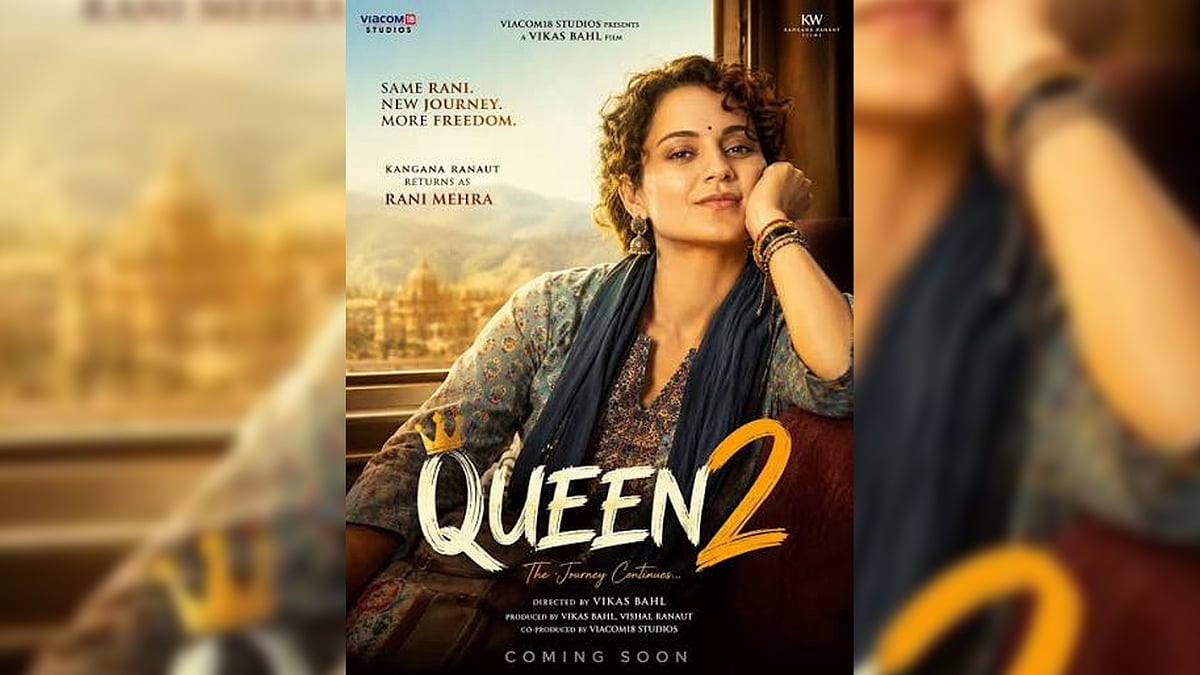
The dynamic landscape of the Indian film industry, while a hotbed of creative output, is also frequently marked by intricate legal disputes, particularly concerning intellectual property rights. A recent development at the Bombay High Court has brought these complexities to the forefront, with Justice Gauri Godse refusing to grant urgent interim relief to Phantom Studios in its substantial ₹250 crore lawsuit against JioStar India and others. The core of the dispute revolves around "Queen Forever," a film Phantom Studios contends is an unauthorised sequel to its critically acclaimed 2014 movie, "Queen."
Phantom Studios asserts that a 2012 co-production agreement, further solidified by a 2022 deed of novation, establishes its joint and equal ownership of all intellectual property and derivative rights related to the original "Queen." Conversely, JioStar maintains that its new project is an original, independent film, devoid of any narrative, character, or creative connection to the earlier work. The High Court's decision to defer urgent injunctive relief, citing a need for the defendant to file a reply, highlights critical considerations for practitioners navigating copyright, contractual obligations, and the nuanced concept of derivative works in the vibrant, yet litigious, Indian entertainment sector.
Background
Intellectual property rights in India, particularly copyright, are primarily governed by the Copyright Act, 1957. This Act provides protection for original literary, dramatic, musical, and artistic works, including cinematograph films. A crucial aspect of copyright law relevant to this dispute is the concept of 'derivative works,' which encompasses adaptations, translations, and even sequels or prequels of an original work. The creation of a derivative work generally requires permission from the copyright owner of the original work. In cases of joint authorship, as Phantom Studios claims, Section 2(z) of the Copyright Act, 1957 defines it as a work produced by the collaboration of two or more authors where the contribution of each author is not distinct from the others.
Contractual agreements, such as co-production agreements and deeds of novation, play a pivotal role in defining the ownership and exploitation rights of intellectual property in the film industry. A novation, as per Section 62 of the Indian Contract Act, 1872, involves the substitution of a new contract in place of an old one, or the replacement of a party, thereby extinguishing the original contract and creating new obligations. This legal mechanism is central to Phantom Studios' claim, as they rely on a 2022 deed of novation to assert their rights. The enforcement of these rights, especially through urgent court intervention, falls under the ambit of interim injunctions, governed by Order XXXIX Rules 1 and 2 of the Code of Civil Procedure, 1908. For an interim injunction to be granted, the applicant must typically demonstrate a prima facie case, the likelihood of irreparable injury if the injunction is not granted, and that the balance of convenience lies in their favour.
Analysis
The Bombay High Court's refusal to grant urgent interim relief in *Phantom Studios v. JioStar India & Ors* underscores the judiciary's adherence to procedural fairness and the stringent requirements for pre-emptive injunctions. Justice Gauri Godse's decision to allow JioStar adequate opportunity to file its reply, despite Phantom's assertion of urgency based on the completion of the film shoot, highlights that mere apprehension or a perceived imminent threat may not suffice for immediate injunctive relief. This aligns with the principle that *quia timet* (preventive) injunctions are granted only where the threat is "real, imminent, and credible," not based on vague apprehensions, as established in cases like *Kuldip Singh v. Subhash Chander Jain* (2000, SC) and reiterated in recent Bombay High Court decisions concerning film sequels.
The core of Phantom Studios' argument rests on the interpretation of their 2012 co-production agreement and the 2022 deed of novation, which they claim grant them joint and equal ownership of intellectual property and derivative rights in "Queen." This brings into focus the critical importance of precise drafting in entertainment contracts. Indian courts have consistently held that sequel rights are not automatically implied and must be explicitly assigned. For instance, in *Narendra Hirawat & Co v M/s Alumbra Entertainment & Media Pvt Ltd & Ors* (the *Sarkar* case), the Bombay High Court ruled that an assignment of rights to the original film did not automatically include sequel rights, as they were not explicitly mentioned in the agreement. Similarly, in *Zee Entertainment Enterprises Ltd v Ameya Vinod Khopkar & Ors*, the court refused an injunction for a sequel, finding no specific provision or presumption of sequel rights in the assignment deed.
JioStar's defence that "Queen Forever" is an original, independent film, with no narrative, character, or creative connection to the original "Queen," directly challenges the assertion of it being a derivative work. The Copyright Act, 1957, defines derivative works broadly to include adaptations and sequels. However, the line between an infringing derivative work and a new, original creation can be blurry. The concept of "spiritual sequels," often used in Bollywood marketing, lacks legal recognition and can expose filmmakers to significant intellectual property risks if underlying rights are not properly secured. The court will ultimately need to assess the degree of similarity and the extent to which "Queen Forever" draws upon the protected elements of "Queen" to determine if it constitutes an infringement or an independent creation. The denial of urgent relief means this complex factual and legal analysis will proceed through the regular course of litigation, allowing both parties to present their full arguments and evidence regarding the contractual terms and the creative content of the films.
Furthermore, the ₹250 crore damages sought by Phantom Studios highlight the significant financial stakes involved in such disputes. The case will likely delve into the scope of "joint and equal owners" of IP and derivative rights, particularly how such ownership impacts the ability of one party to unilaterally proceed with a sequel or adaptation. Under Indian copyright law, while a co-author may grant non-exclusive rights without consent, granting exclusive rights typically requires the prior consent of all co-authors. This principle will be crucial in determining whether JioStar's actions constitute a breach of the co-production and novation agreements.
Conclusion
The Bombay High Court's decision to deny urgent interim relief to Phantom Studios in its suit against JioStar over the alleged "Queen" sequel serves as a salient reminder of the judiciary's emphasis on due process and the high bar for obtaining pre-emptive injunctions in intellectual property disputes. It signals that claims of urgency, even when tied to significant financial stakes and ongoing production, must be substantiated with a clear and imminent threat, allowing the defendant adequate opportunity to present their case.
For legal practitioners in the entertainment industry, this case reinforces several critical lessons. Firstly, the meticulous drafting of co-production agreements and deeds of novation is paramount, especially regarding the explicit allocation of rights for sequels, prequels, adaptations, and other derivative works. Ambiguity in such clauses can lead to protracted and costly litigation. Secondly, parties seeking injunctive relief must be prepared to demonstrate not just a prima facie case, but also genuine irreparable harm and a favourable balance of convenience, supported by concrete evidence rather than mere speculation. As this case progresses, the eventual determination on the interpretation of the co-production and novation agreements, and the court's assessment of what constitutes an unauthorised derivative work versus an independent creation, will undoubtedly provide further clarity and guidance for the Indian film industry.
Citations
- 1.Copyright Act, 1957
- 2.Indian Contract Act, 1872
- 3.Code of Civil Procedure, 1908
- 4.Phantom Studios v. JioStar India & Ors
- 5.Kuldip Singh v. Subhash Chander Jain (2000, SC)
- 6.Narendra Hirawat & Co v M/s Alumbra Entertainment & Media Pvt Ltd & Ors
- 7.Zee Entertainment Enterprises Ltd v Ameya Vinod Khopkar & Ors
How does this affect your business?
Get an AI analysis of this article grounded in your jurisdictions, practice areas, and any policy documents you've uploaded to Wansom.