
Government cuts power bills by Ksh 0.2685 effective June
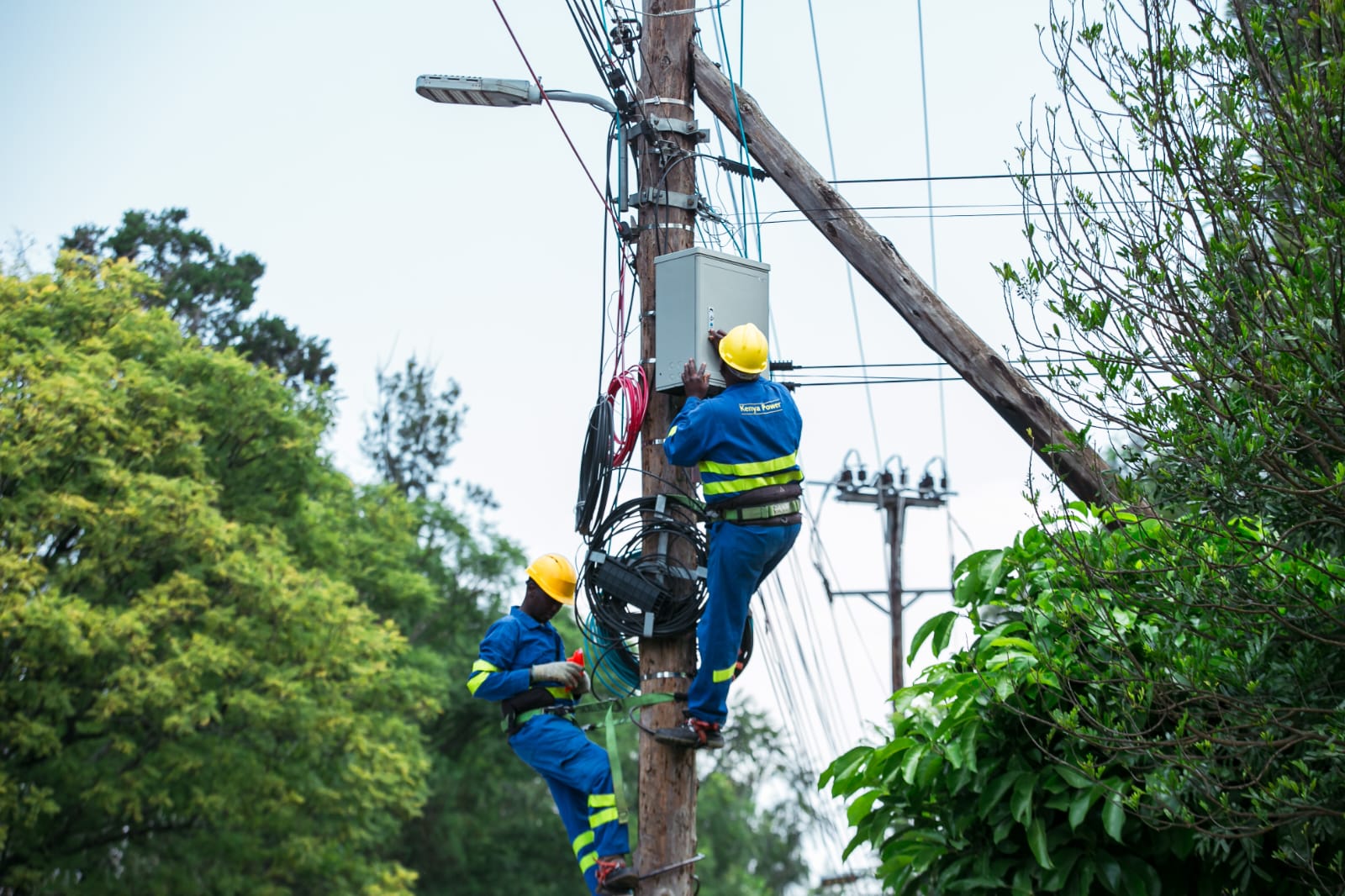
Abstract
The Kenyan government, through the Ministry of Energy and Petroleum, has announced a reduction in electricity bills by Ksh 0.02685 per kilowatt-hour, effective June. This positive development for consumers coincides with the significant decision to withdraw the proposed comprehensive electricity tariff review application submitted by Kenya Power and Lighting Company (KPLC). The withdrawal, following consultations with stakeholders including the Kenya Association of Manufacturers (KAM), means that the existing retail electricity tariffs will remain in force, averting a potential increase that had been anticipated from July 2026. This move aims to protect households and businesses from escalating costs and support economic growth, while underscoring the government's commitment to consumer welfare amidst economic pressures.
Introduction
The Kenyan energy sector has recently witnessed a pivotal development with the announcement of a reduction in electricity bills and the withdrawal of a proposed tariff review. Consumers are set to benefit from a Ksh 0.02685 per kilowatt-hour reduction in their electricity bills, effective this June. This immediate relief comes alongside a more significant policy decision by the Ministry of Energy and Petroleum to halt a comprehensive electricity tariff review that had been proposed by the Kenya Power and Lighting Company (KPLC).
Energy and Petroleum Cabinet Secretary Opiyo Wandayi confirmed that this decision was reached after extensive consultations, notably with the Kenya Association of Manufacturers (KAM), a key advocate for affordable energy for industries. The withdrawal of KPLC's application for a tariff hike, which was slated to take effect from July 1, 2026, to June 2029, signifies a governmental intervention aimed at cushioning households and businesses from increased costs of living and production. This article delves into the legal framework underpinning electricity tariff regulation in Kenya, the implications of this decision for various stakeholders, and the broader context of regulatory independence and economic sustainability.
Background
The regulation of Kenya's energy sector is primarily governed by the Energy Act, 2019 (No. 1 of 2019), which consolidated previous energy laws and established the Energy and Petroleum Regulatory Authority (EPRA) as the principal regulator. EPRA is mandated with the economic and technical regulation of electricity, natural gas, and petroleum sectors, including the crucial function of setting and reviewing electricity tariffs. The Act stipulates a rigorous process for tariff reviews, which typically involves the submission of an application by a licensee (such as KPLC), technical evaluation by EPRA, extensive stakeholder consultations, and public participation before any adjustments can be approved and gazetted.
Under the Energy Act, KPLC is entitled to apply for a tariff review every three years. The current electricity tariff structure, which came into effect in April 2023, was scheduled to expire at the end of June 2026. Consequently, KPLC had submitted an application to EPRA on March 31, 2026, proposing a new tariff structure for the period covering July 1, 2026, to June 2029. This proposal included significant increases, ranging from 14% to 31.8%, and aimed to revise the lifeline tariff category and increase the minimum base charge, which would have had a substantial impact on both domestic and industrial consumers. The Kenya Association of Manufacturers (KAM) has historically been a vocal proponent for lower electricity tariffs, citing high energy costs as a major impediment to industrial competitiveness and economic growth.
Analysis
The recent announcement by the Ministry of Energy and Petroleum presents a multi-faceted legal and economic development. Firstly, the reported Ksh 0.02685 per kilowatt-hour reduction in electricity bills is likely attributable to the monthly adjustments of variable charges, such as the Fuel Energy Cost Charge (FECC) and Foreign Exchange Fluctuation Adjustment, which EPRA regularly reviews and gazettes as part of the existing tariff structure. These adjustments reflect fluctuations in fuel prices, currency exchange rates, and other operational costs, and can lead to either increases or reductions in the final consumer bill.
Secondly, and more significantly, is the withdrawal of KPLC's application for a comprehensive retail electricity tariff review. While the Energy Act, 2019, vests EPRA with the authority to undertake tariff reviews, the Cabinet Secretary's announcement of the withdrawal, following government consultations and engagement with stakeholders like KAM, highlights the executive's influence in critical economic policy decisions. This intervention, while providing immediate relief to consumers, raises questions about the delicate balance between political expediency and the regulatory independence of EPRA. However, the CS clarified that any future tariff review must strictly adhere to the procedures outlined in the Energy Act, including technical evaluation, stakeholder consultations, and public participation, thereby reaffirming the legal guardrails in place.
The decision to maintain the current tariffs, rather than implementing the proposed increases, has immediate implications for KPLC and the broader energy sector. The proposed tariff hike was intended to generate additional revenue for KPLC to fund critical infrastructure upgrades, compensate power producers, and ensure the long-term sustainability of the electricity supply. The freeze on base tariffs could therefore create financial challenges for the utility, potentially impacting its ability to invest in network maintenance and expansion, which are crucial for reliable power supply. This situation underscores the inherent tension between ensuring affordable electricity for consumers and maintaining the financial viability and operational efficiency of energy service providers. The government's stated objective is to balance a sustainable energy sector with consumer protection, supporting economic growth and safeguarding livelihoods.
Conclusion
The recent government directive to reduce electricity bills and withdraw the proposed tariff review offers immediate and tangible relief to Kenyan households and businesses grappling with high costs of living and production. For legal practitioners, this development underscores the dynamic interplay between statutory regulatory frameworks, executive policy decisions, and public interest advocacy in the energy sector. The reaffirmation that future tariff reviews must strictly follow the procedures outlined in the Energy Act, 2019, is crucial for upholding regulatory predictability and investor confidence.
Practitioners should advise clients, particularly those in the manufacturing and industrial sectors, to monitor EPRA's monthly pronouncements on variable charges, as these will continue to influence actual electricity costs despite the base tariff freeze. Furthermore, it will be essential to observe how KPLC's financial health and investment plans are impacted by the sustained tariffs, and whether alternative funding mechanisms will be introduced to ensure the long-term stability and development of Kenya's energy infrastructure. The ongoing dialogue between government, regulators, and industry stakeholders will remain critical in navigating the complex landscape of energy pricing and supply in Kenya.
Citations
- 1.Energy Act, 2019 (No. 1 of 2019)
- 2.KBC Kenya, "Government cuts power bills by Ksh 0.2685 effective June"
- 3.DLA Piper Africa in Kenya - IKM Advocates, "Highlights of the Energy Act, 2019" (May 16, 2019)
- 4.O'Bang Law, "Energy Act, 2019"
- 5.The Electricity Hub, "KENYA: Manufacturers Urge Government to Cut Electricity Tariffs by 50%" (October 06, 2021)
- 6.World Bank PPP, "Kenya Energy Act 2019" (March 14, 2019)
- 7.People Daily, "Power bills to remain unchanged as govt withdraws proposed electricity tariff review" (June 03, 2026)
- 8.SolarQuarter, "Kenya Withdraws Proposed Electricity Tariff Hike, Protecting Consumers From Higher Power Costs" (June 10, 2026)
- 9.Businessfront, "Kenya shelves electricity tariff hike plan to shield consumers from rising costs" (June 04, 2026)
- 10.Chambers and Partners, "KENYA: An Introduction to Projects & Energy Law"
- 11.allAfrica.com, "Relief for Kenyans as Govt Withdraws Electricity Tariffs Review, Stopping Costs Escalation" (June 03, 2026)
- 12.PanAfrican Agriculture, "Manufacturers keep alert for the looming rise in electricity tariffs saying it could cripple industry" (February 09, 2023)
- 13.allAfrica.com, "Kenya: Energy Ministry Withdraws KPLC Tariff Review Application, Assures Consumers of Stable Electricity Supply" (June 03, 2026)
- 14.Kenya Halts Electricity Tariff Review, Signalling Caution and Consumer Protection (June 03, 2026)
- 15.Commission on Revenue Allocation, "The Energy Act, 2019"
- 16.Energy Ministry withdraws proposal that could have increased electricity costs (June 03, 2026)
- 17.MINISTRY OF ENERGY WITHDRAWS PROPOSED RETAIL ELECTRICITY TARIFF (June 03, 2026)
- 18.Standard Newspaper, "KAM lobbies for affordable electricity tariffs for industry"
- 19.Capital FM, "Energy Ministry Withdraws KPLC Tariff Review Application, Assures Consumers of Stable Electricity Supply" (June 03, 2026)
- 20.RES4Africa Foundation, "Regulatory Review of the Electricity Market in Kenya:"
- 21.TUKO.co.ke, "EPRA to Increase Electricity Prices from 2026/2027 FY, Asks Kenyans to Submit Views" (May 27, 2026)
- 22.Just Ivy Africa, "EPRA Begins Review of New Kenya Power Tariffs Ahead of July Changes" (May 18, 2026)
- 23.Africa Energy Portal, "Kenya"
- 24.Businessfront, "Kenyans to pay more for electricity as regulator introduces new charges" (April 29, 2026)
- 25.EPRA halts public hearings on electricity tariffs after Kenya Power withdraws review (June 05, 2026)
How does this affect your business?
Get an AI analysis of this article grounded in your jurisdictions, practice areas, and any policy documents you've uploaded to Wansom.