
With Conservation Agriculture, Farmers Can Harvest More Without Using More Fertilizer
Abstract
Rwanda is increasingly embracing Conservation Agriculture (CA) as a strategic approach to enhance food security and agricultural productivity while mitigating environmental degradation. This legal article examines the robust policy and regulatory framework in Rwanda that supports sustainable agricultural practices, particularly the shift away from over-reliance on chemical fertilizers. Key instruments such as the National Agriculture Policy, the Strategic Plan for Agricultural Transformation (PSTA), and environmental protection laws are analyzed to demonstrate how the nation is legally steering its agricultural sector towards resilience and sustainability. The article highlights the legal impetus for adopting CA, addressing challenges posed by traditional farming methods and climate change, and the implications for legal practitioners advising on agricultural land use and environmental compliance.
Introduction
Rwanda, a nation heavily reliant on its agricultural sector for livelihoods and economic growth, faces the dual challenge of increasing food production for a growing population while combating severe land degradation and climate change impacts. Traditional farming practices, often characterized by intensive cultivation and increasing reliance on chemical fertilizers, have contributed to soil erosion and nutrient depletion, leading to diminishing returns for farmers. This predicament necessitates a paradigm shift towards more sustainable methods.
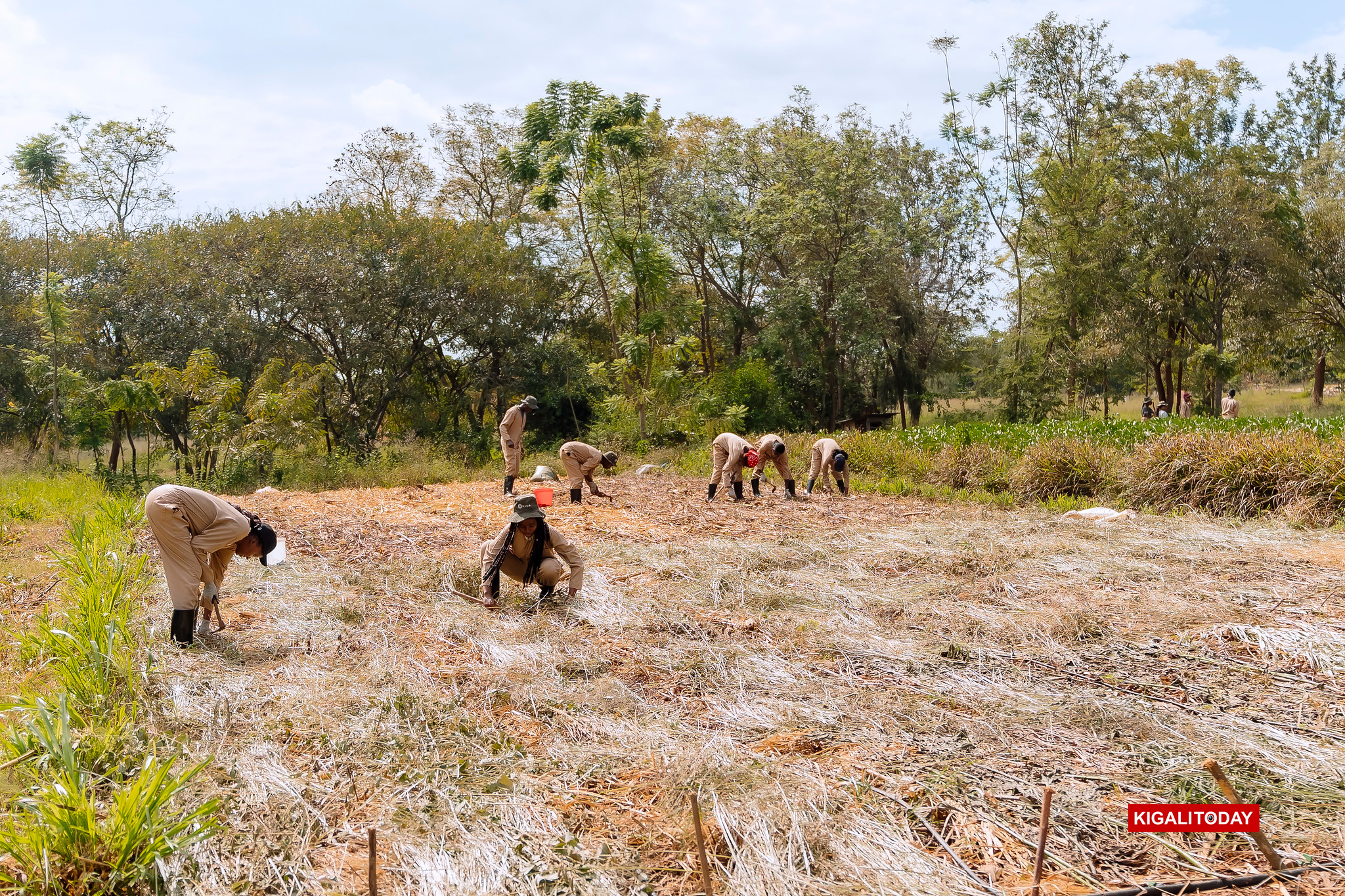
Conservation Agriculture (CA) emerges as a critical solution, offering a pathway to higher yields without necessarily escalating fertilizer use. CA, defined by minimal soil disturbance, permanent soil cover, and crop diversification, is gaining traction as a means to build soil health, manage water resources, and prevent erosion. The Rwandan government has recognized this imperative, embedding sustainable agricultural practices within its national development agenda. This article delves into the legal and policy landscape underpinning Rwanda's commitment to conservation agriculture, exploring how the existing framework facilitates this transition and what it means for legal professionals in the agricultural sector.
Background
Rwanda's commitment to sustainable development is enshrined in its foundational legal and policy documents. The Constitution of the Republic of Rwanda, alongside key strategies like Vision 2050 and the National Strategy for Transformation (NST1) 2017-2024, prioritizes environmental protection and sustainable resource management as integral to national progress. The National Environment and Climate Change Policy of 2019, aligned with the Green Growth and Climate Resilience Strategy (GGCRS) adopted in 2011 (and revised in 2023), explicitly outlines actions for transitioning to a low-carbon, climate-resilient economy, with sustainable intensification of agriculture being a core adaptation strategy.
Specifically, the agricultural sector is governed by the National Agriculture Policy (2018), which envisions a productive, green, and market-led agricultural sector, emphasizing sustainable agricultural land management practices to protect resources and enhance soil health. This policy is operationalized through the Strategic Plan for Agricultural Transformation (PSTA), with PSTA 5 (2024-2029) setting ambitious targets for increasing the area under conservation agriculture. Historically, while the Fertilizer Policy (April 2007) focused on increasing chemical fertilizer use, it also included recommendations for better use of organic fertilizers and soil erosion control, indicating an early recognition of balanced nutrient management. The legal framework also mandates Environmental Impact Assessments (EIAs) for agricultural projects, overseen by the Rwanda Environment Management Authority (REMA), ensuring environmental considerations are integrated into development planning.
Analysis
The Rwandan legal framework actively promotes conservation agriculture through a multi-faceted approach, though some inherent tensions exist. The Ministry of Agriculture and Animal Resources (MINAGRI) is central to this, formulating and implementing policies for sustainable development in agriculture. The recently launched PSTA 5 aims to increase the area under conservation agriculture from 1,173 hectares in 2024/2025 to 100,000 hectares by 2028/2029, demonstrating a clear policy directive. This is further supported by the National Land Use and Development Master Plan (NLUDMP 2020-2050), which is crucial for optimized and resilient land management, aligning with the GGCRS's objectives.
However, the legacy of programs like the Crop Intensification Programme (CIP), while boosting productivity, has been criticized for its emphasis on inorganic fertilizers and monocropping, which have contributed to biodiversity loss. This highlights a contradiction where short-term yield gains were prioritized over long-term ecological health. In response, there are ongoing proposals to redesign the CIP subsidy scheme, advocating for the phasing out of inorganic fertilizer subsidies, particularly for rice, and reallocating resources to support organic fertilizer use, ecological restoration, and farmer training. This proposed shift reflects a legal and policy evolution towards genuinely sustainable practices.
The emerging Plant Production Bill, approved by Parliament in February 2026, signifies a significant overhaul of the agricultural legal framework. This bill aims to professionalize farming, safeguard food security, and explicitly seeks to close gaps in fertilizer use, prohibiting the misuse of agricultural inputs that harm human health or ecosystems. This legislative development provides a stronger legal basis for regulating fertilizer application and promoting alternatives like organic fertilizers and bio-pesticides, which are less subject to stringent regulatory control. The Rwanda Agriculture and Animal Resources Development Board (RAB) plays a crucial role in research and extension services to support these transitions.
Despite these advancements, challenges remain. Rwanda's high population density and reliance on rain-fed agriculture make it particularly vulnerable to climate change, necessitating robust adaptation strategies. The current global environment, with rising fertilizer prices and supply chain disruptions, further underscores the need for self-sufficiency and reduced reliance on imported chemical inputs. The legal framework, while comprehensive, requires continuous enforcement and capacity building at all levels to ensure effective implementation of conservation agriculture practices and environmental compliance.
Conclusion
Rwanda's legal and policy framework is progressively aligning to champion Conservation Agriculture as a cornerstone of its sustainable development agenda. The clear directives within the National Agriculture Policy, the Strategic Plan for Agricultural Transformation, and environmental laws, coupled with the ongoing legislative reforms such as the Plant Production Bill, create a compelling mandate for farmers and agricultural enterprises to adopt environmentally sound practices. The emphasis on reducing reliance on chemical fertilizers and promoting organic alternatives signals a significant shift towards ecological resilience and long-term food security.
For legal practitioners, this evolving landscape presents both challenges and opportunities. Advising clients in the agricultural sector now requires a deep understanding of environmental compliance, sustainable land use regulations, and the incentives available for adopting conservation agriculture. Lawyers must guide farmers and investors through the intricacies of new subsidy schemes, environmental impact assessments, and emerging standards for organic inputs. Monitoring the implementation of PSTA 5 and the new Plant Production Bill will be crucial, as these instruments will shape the future of agriculture in Rwanda, demanding a proactive and informed legal approach to ensure compliance and foster sustainable growth.
Citations
- 1.Constitution of the Republic of Rwanda (2003, as amended)
- 2.Law N° 27/2015 of 18/06/2015 relating to the protection, conservation and promotion of environment
- 3.Loi n°48/2018 du 13/08/2018 sur l'environnement
- 4.National Agriculture Policy (2018)
- 5.National Strategy for Transformation (NST1) 2017-2024
- 6.National Land Use and Development Master Plan (NLUDMP 2020-2050)
- 7.Green Growth and Climate Resilience Strategy (GGCRS) (2011, revised 2023)
- 8.Fertilizer Policy (April 2007)
- 9.Strategic Plan for Agricultural Transformation (PSTA) (PSTA 4 2018-2024, PSTA 5 2024-2029)
- 10.Rwanda Environment Management Authority (REMA)
- 11.Ministry of Agriculture and Animal Resources (MINAGRI)
- 12.Rwanda Agriculture and Animal Resources Development Board (RAB)
- 13.Plant Production Bill (as reported in February 2026)
- 14.Policy Brief - Redesigning Rwanda's Crop Intensification Programme (CIP) Subsidy Scheme for Biodiversity and Equity (April 28, 2025)
How does this affect your business?
Get an AI analysis of this article grounded in your jurisdictions, practice areas, and any policy documents you've uploaded to Wansom.